
Designing a contemporary, domestic coffee grinder
As interest in specialty coffee grows, manual grinders are becoming an increasingly popular choice for home brewers. I set out to redesign a household manual grinder, focusing on improving grind consistency, ergonomics and creating a contemporary, minimalist aesthetic for the modern home. The project came from a genuine passion for coffee and home brewing, and gave me the chance to take a design through to a fully functional, CNC-machined prototype.
Designing a contemporary, domestic coffee grinder
As interest in specialty coffee grows, manual grinders are becoming an increasingly popular choice for home brewers. I set out to redesign a household manual grinder, focusing on improving grind consistency, ergonomics and creating a contemporary, minimalist aesthetic for the modern home. The project came from a genuine passion for coffee and home brewing, and gave me the chance to take a design through to a fully functional, CNC-machined prototype.
Designing a contemporary, domestic coffee grinder
As interest in specialty coffee grows, manual grinders are becoming an increasingly popular choice for home brewers. I set out to redesign a household manual grinder, focusing on improving grind consistency, ergonomics and creating a contemporary, minimalist aesthetic for the modern home. The project came from a genuine passion for coffee and home brewing, and gave me the chance to take a design through to a fully functional, CNC-machined prototype.
Designing a contemporary, domestic coffee grinder
As interest in specialty coffee grows, manual grinders are becoming an increasingly popular choice for home brewers. I set out to redesign a household manual grinder, focusing on improving grind consistency, ergonomics and creating a contemporary, minimalist aesthetic for the modern home. The project came from a genuine passion for coffee and home brewing, and gave me the chance to take a design through to a fully functional, CNC-machined prototype.
Process
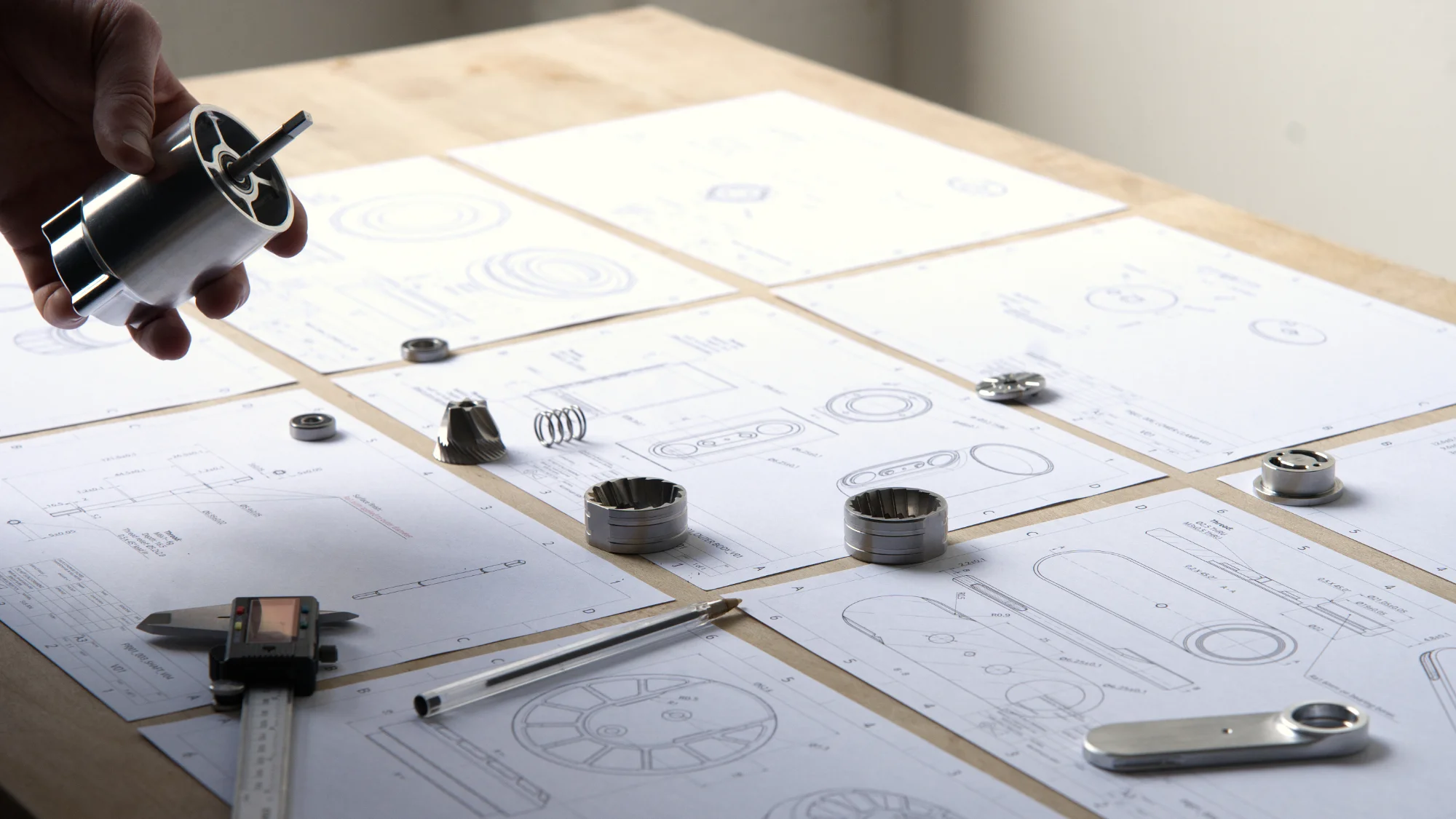
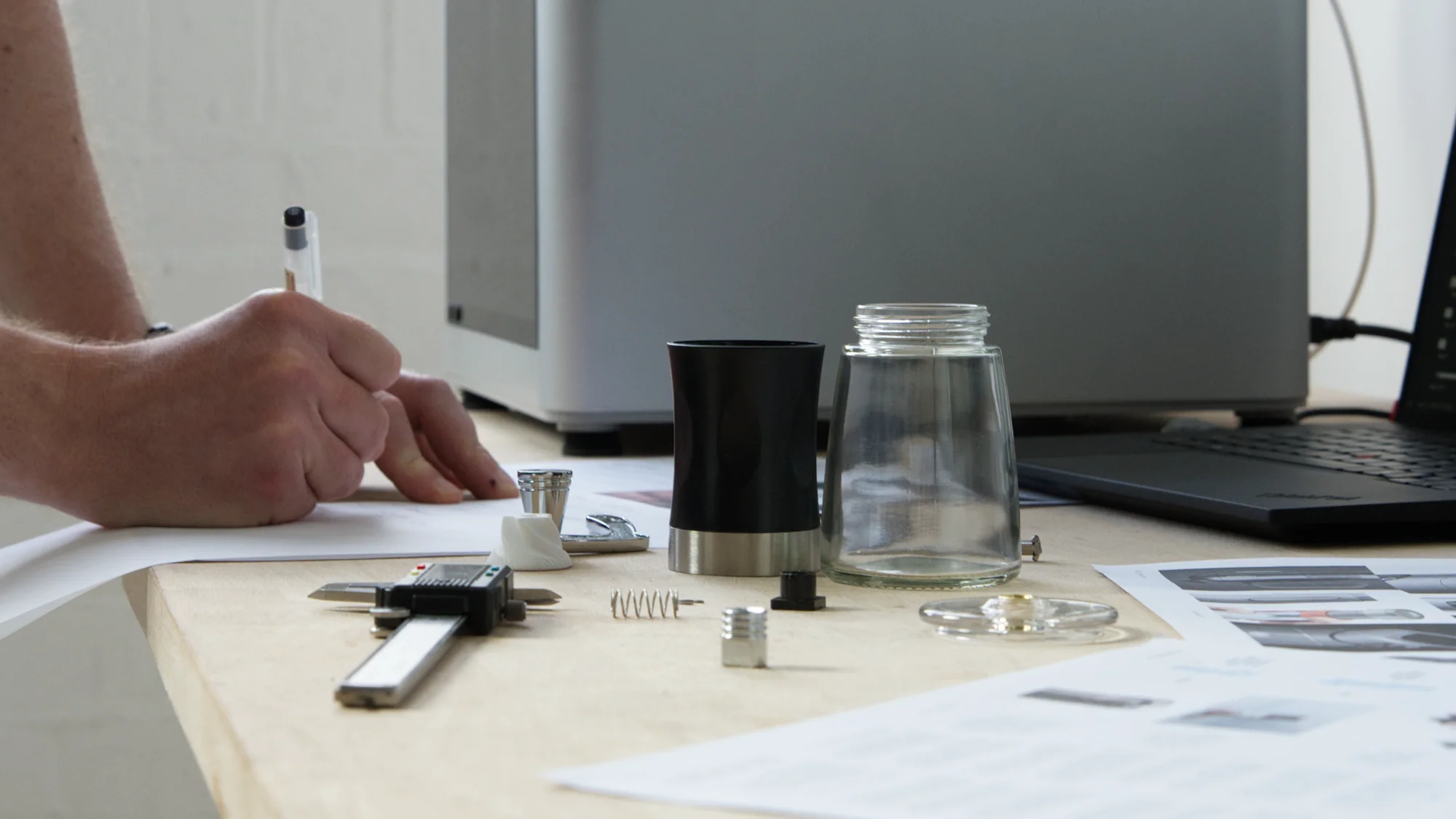
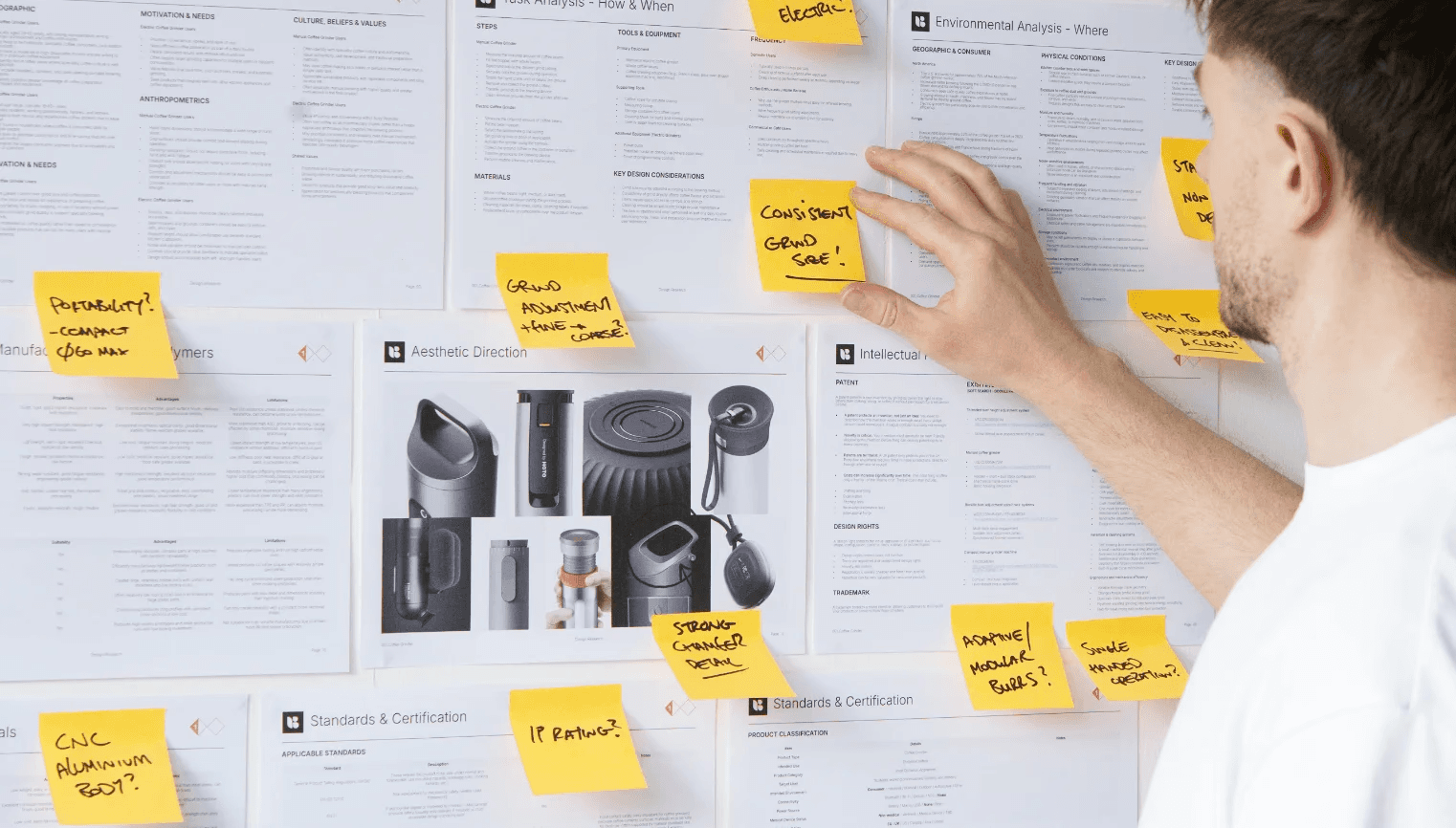
I began with market research to understand how existing manual grinders are used in the home, alongside a full product teardown to understand the internal architecture of existing grinders and identify opportunities for improvement. From there I developed section-view layout sketches to explore different component arrangements, before progressing into detailed 3D CAD. The design was refined through a series of low-fidelity prototypes, evaluating grinding action, assembly, and ergonomics. Once finalised, I produced 2D technical drawings and had each component CNC machined from stainless steel 304 and aluminium 6061 to create a fully functional prototype, specifying tighter tolerances on critical features like the bearing bores and drive shaft to balance machining cost against function.
Outcome
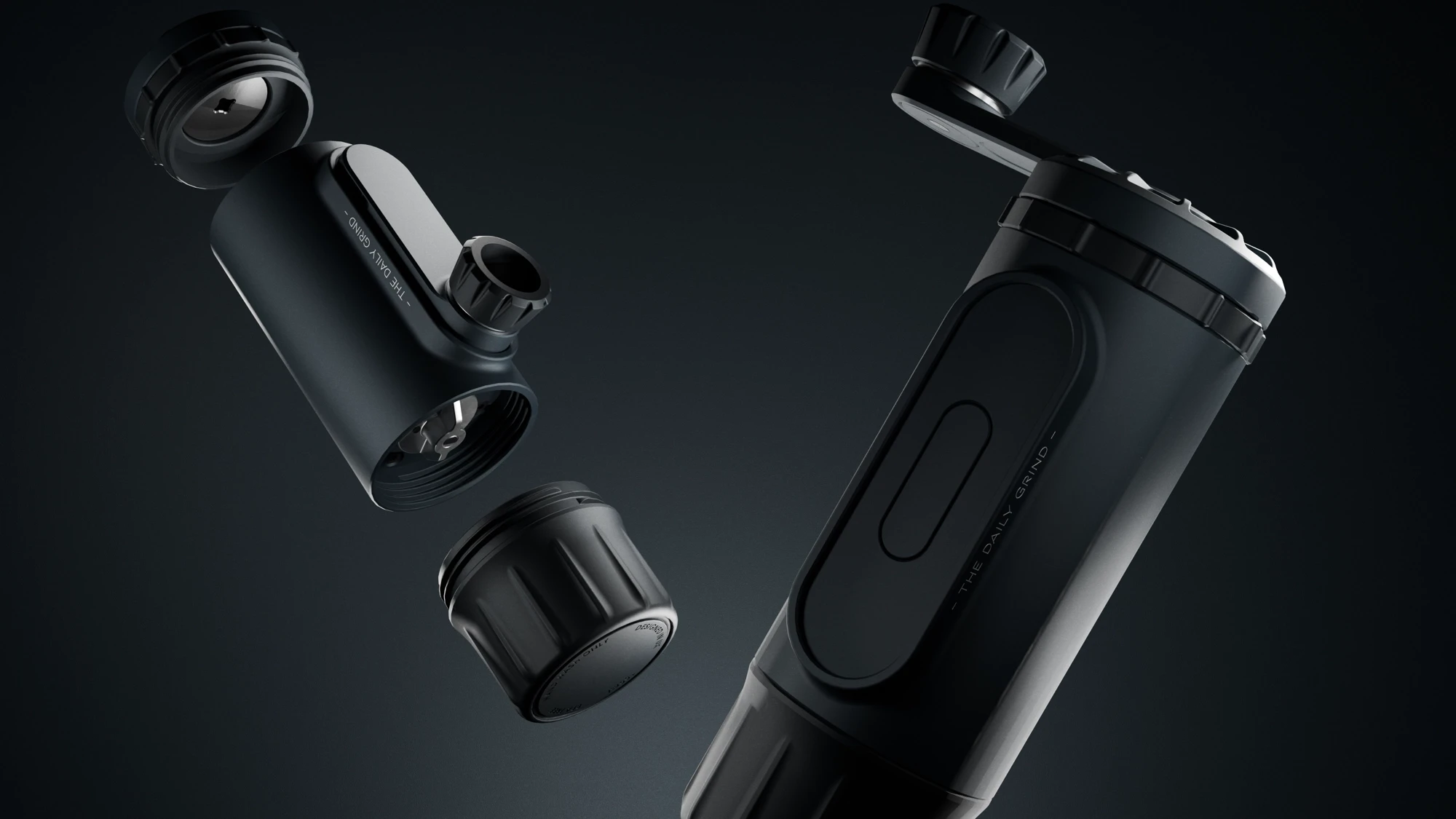
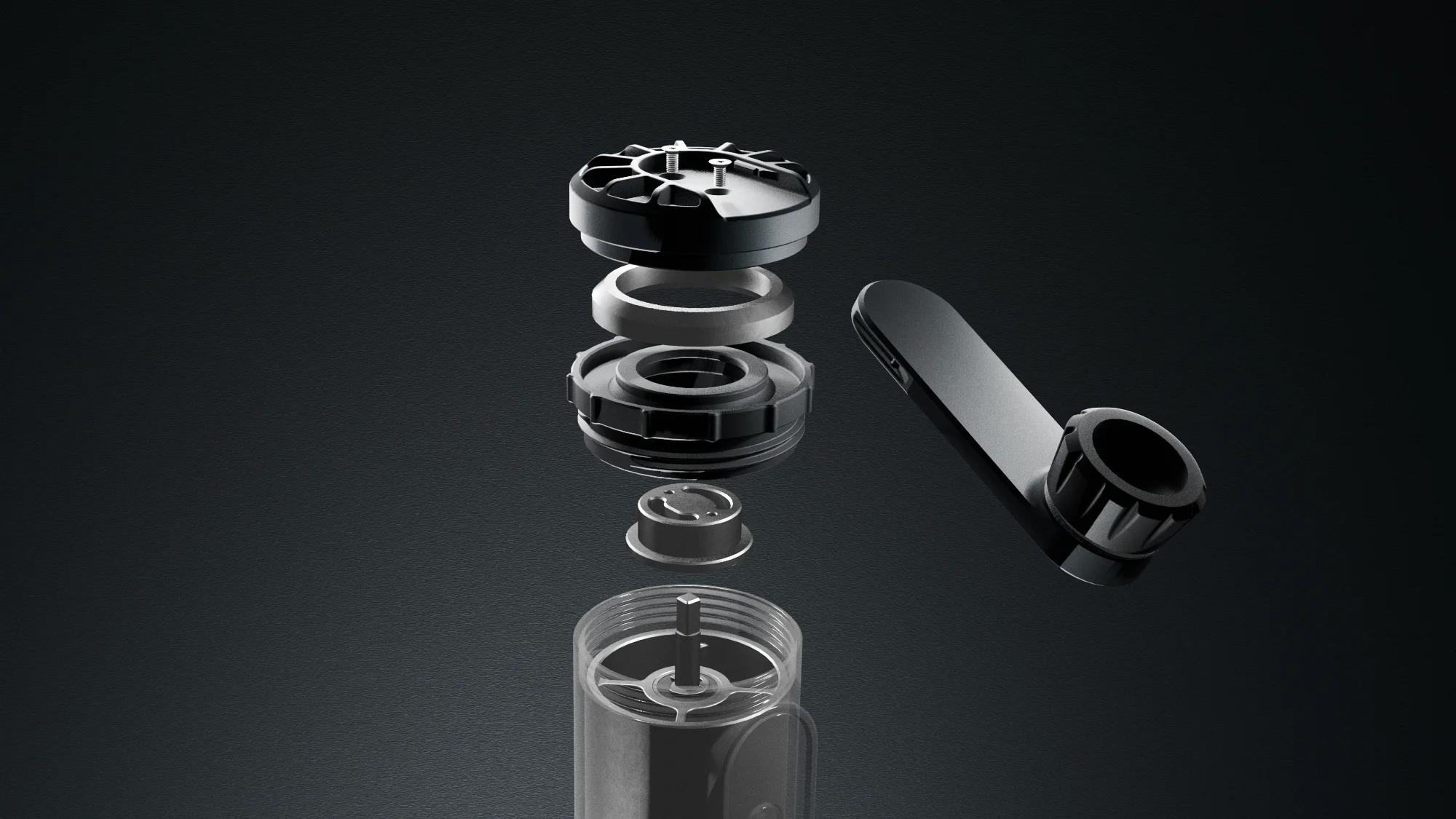
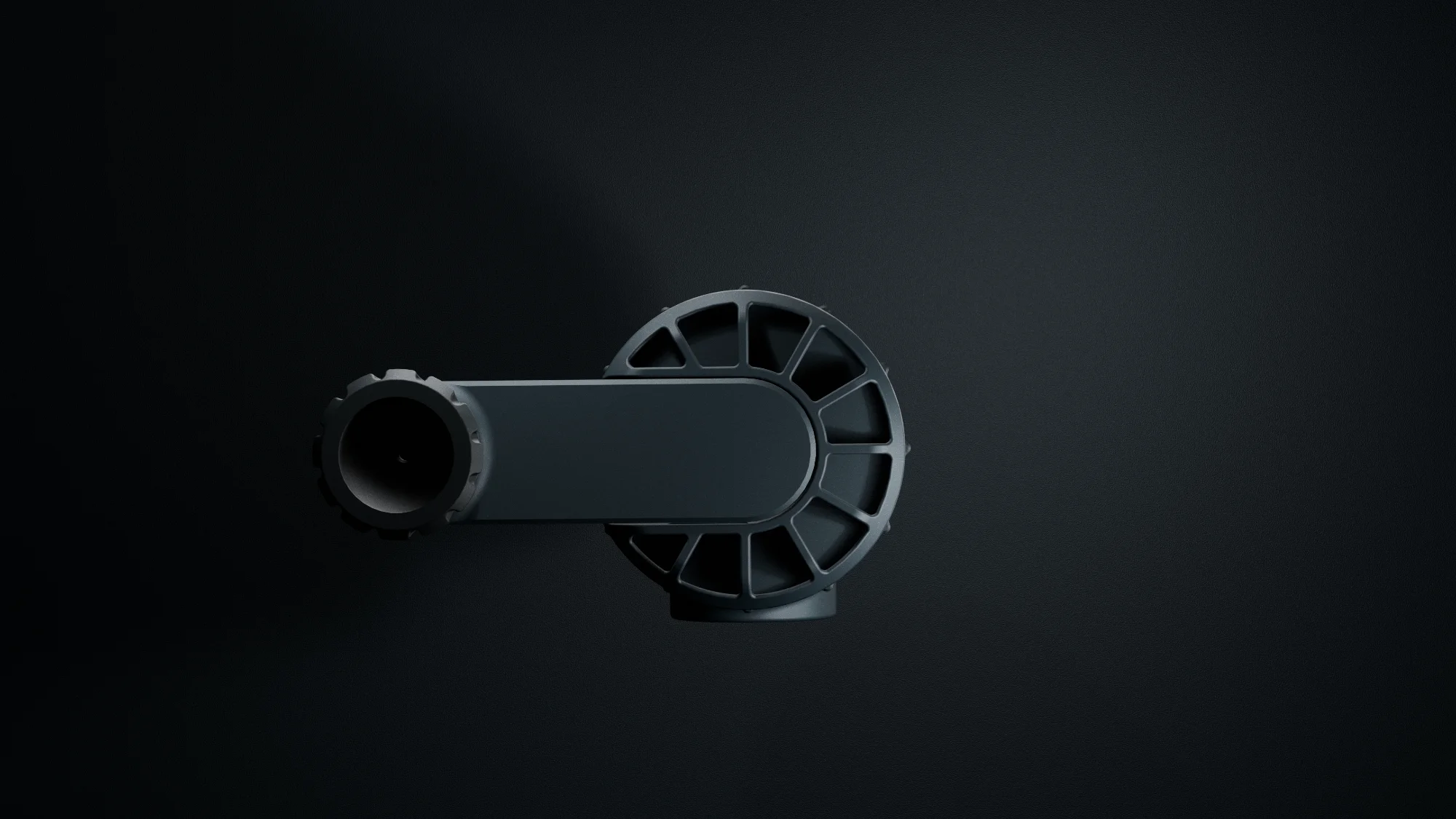
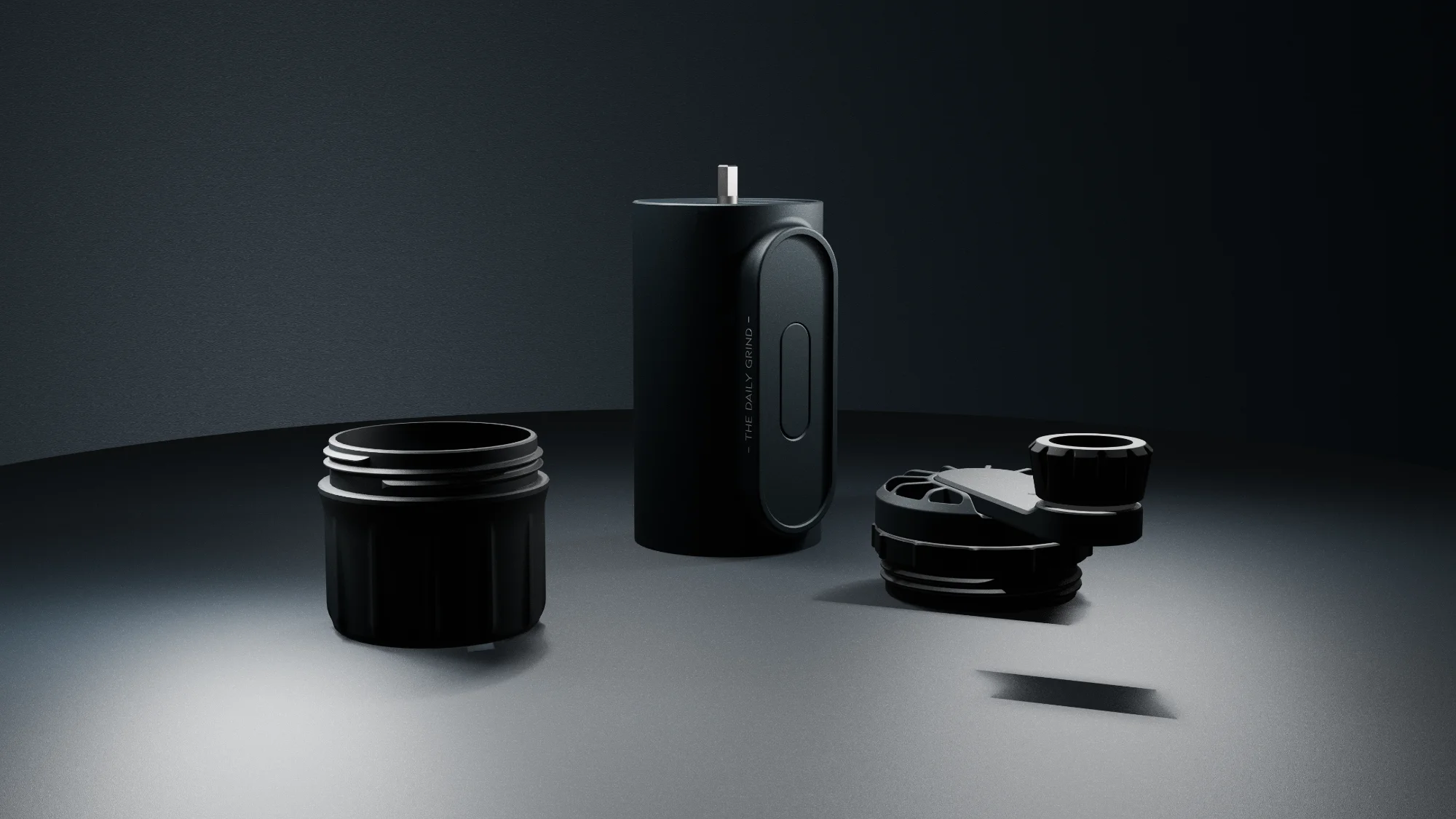
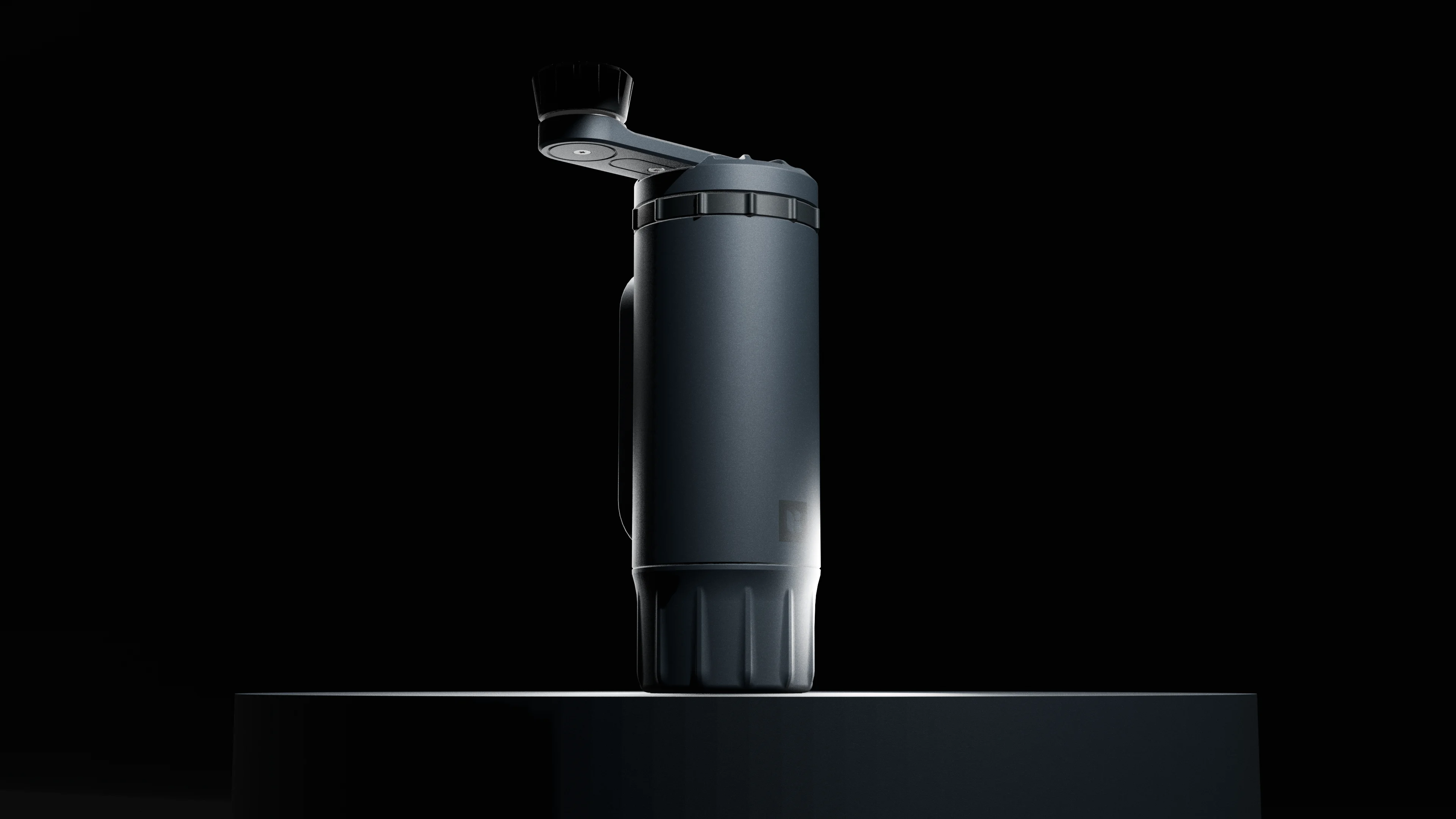
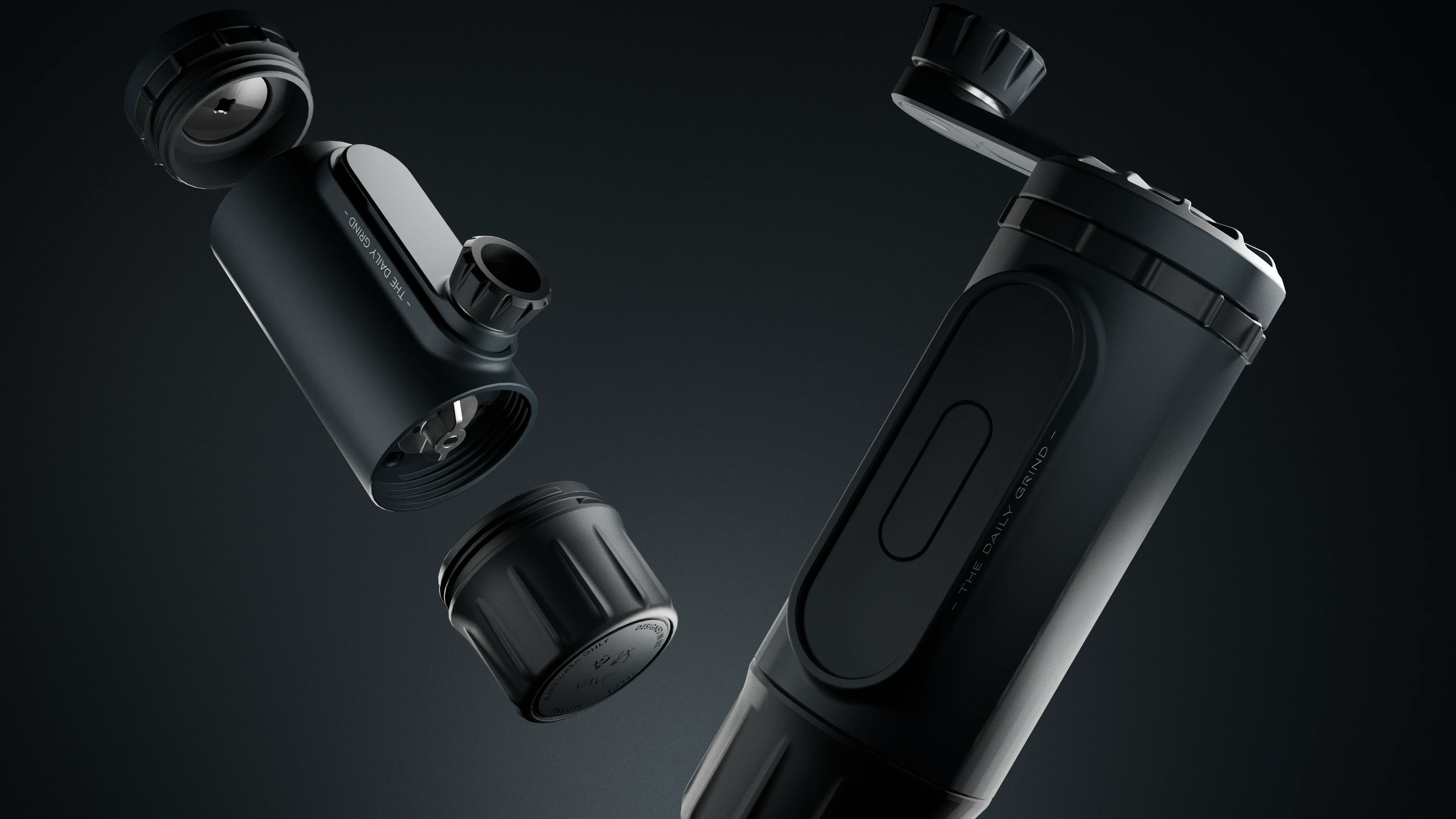
The final concept combines an aluminium grind chamber with hardened steel burrs, giving a durable, premium construction while managing heat effectively to help preserve the natural flavour of the coffee beans. A triple-bearing drive system maintains precise shaft alignment, delivering a smoother, more consistent grind while reducing wear over time. For compact storage, the removable grind arm attaches magnetically to the front of the grinder, providing a clean, space-efficient solution.



Process
I began with market research to understand how existing manual grinders are used in the home, alongside a full product teardown to understand the internal architecture of existing grinders and identify opportunities for improvement. From there I developed section-view layout sketches to explore different component arrangements, before progressing into detailed 3D CAD. The design was refined through a series of low-fidelity prototypes, evaluating grinding action, assembly, and ergonomics. Once finalised, I produced 2D technical drawings and had each component CNC machined from stainless steel 304 and aluminium 6061 to create a fully functional prototype, specifying tighter tolerances on critical features like the bearing bores and drive shaft to balance machining cost against function.
Outcome
The final concept combines an aluminium grind chamber with hardened steel burrs, giving a durable, premium construction while managing heat effectively to help preserve the natural flavour of the coffee beans. A triple-bearing drive system maintains precise shaft alignment, delivering a smoother, more consistent grind while reducing wear over time. For compact storage, the removable grind arm attaches magnetically to the front of the grinder, providing a clean, space-efficient solution.
Process
I began with market research to understand how existing manual grinders are used in the home, alongside a full product teardown to understand the internal architecture of existing grinders and identify opportunities for improvement. From there I developed section-view layout sketches to explore different component arrangements, before progressing into detailed 3D CAD. The design was refined through a series of low-fidelity prototypes, evaluating grinding action, assembly, and ergonomics. Once finalised, I produced 2D technical drawings and had each component CNC machined from stainless steel 304 and aluminium 6061 to create a fully functional prototype, specifying tighter tolerances on critical features like the bearing bores and drive shaft to balance machining cost against function.
Outcome
The final concept combines an aluminium grind chamber with hardened steel burrs, giving a durable, premium construction while managing heat effectively to help preserve the natural flavour of the coffee beans. A triple-bearing drive system maintains precise shaft alignment, delivering a smoother, more consistent grind while reducing wear over time. For compact storage, the removable grind arm attaches magnetically to the front of the grinder, providing a clean, space-efficient solution.
Process
I began with market research to understand how existing manual grinders are used in the home, alongside a full product teardown to understand the internal architecture of existing grinders and identify opportunities for improvement. From there I developed section-view layout sketches to explore different component arrangements, before progressing into detailed 3D CAD. The design was refined through a series of low-fidelity prototypes, evaluating grinding action, assembly, and ergonomics. Once finalised, I produced 2D technical drawings and had each component CNC machined from stainless steel 304 and aluminium 6061 to create a fully functional prototype, specifying tighter tolerances on critical features like the bearing bores and drive shaft to balance machining cost against function.
Outcome
The final concept combines an aluminium grind chamber with hardened steel burrs, giving a durable, premium construction while managing heat effectively to help preserve the natural flavour of the coffee beans. A triple-bearing drive system maintains precise shaft alignment, delivering a smoother, more consistent grind while reducing wear over time. For compact storage, the removable grind arm attaches magnetically to the front of the grinder, providing a clean, space-efficient solution.